Preparing the Loft for Summer
Hot weather can quickly make an enclosed loft uncomfortable. Good ventilation is especially important during summer because it helps release excess heat and moisture.
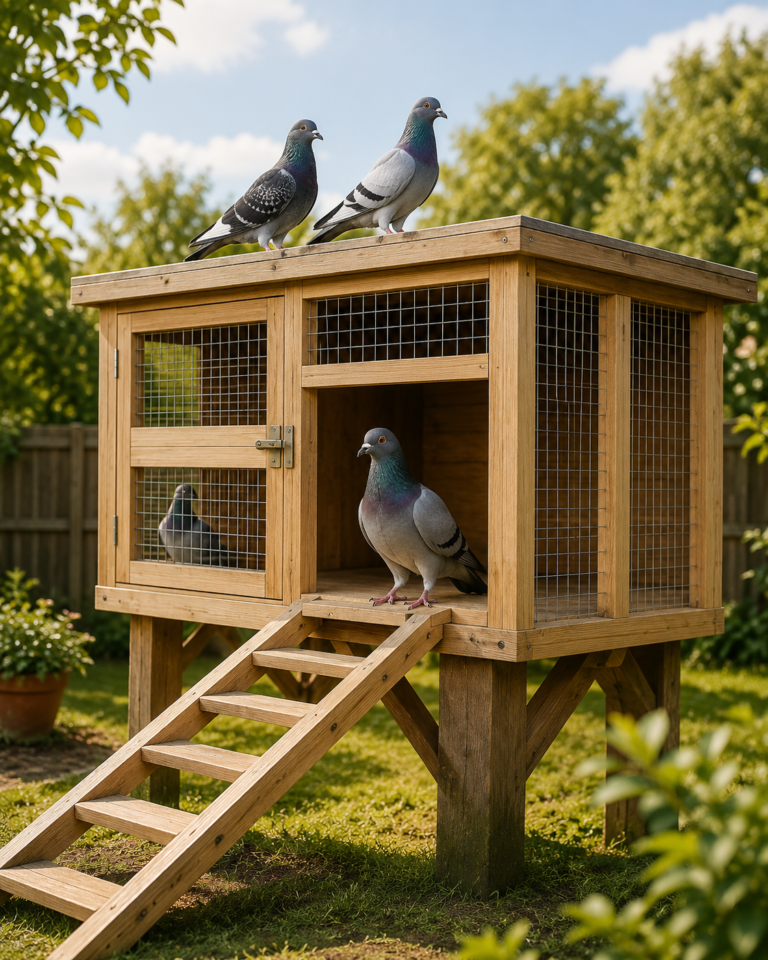
Make sure air can circulate without creating strong drafts directly over nesting or resting areas. Openings should be protected with secure mesh to prevent predators and pests from entering.
During warm weather:
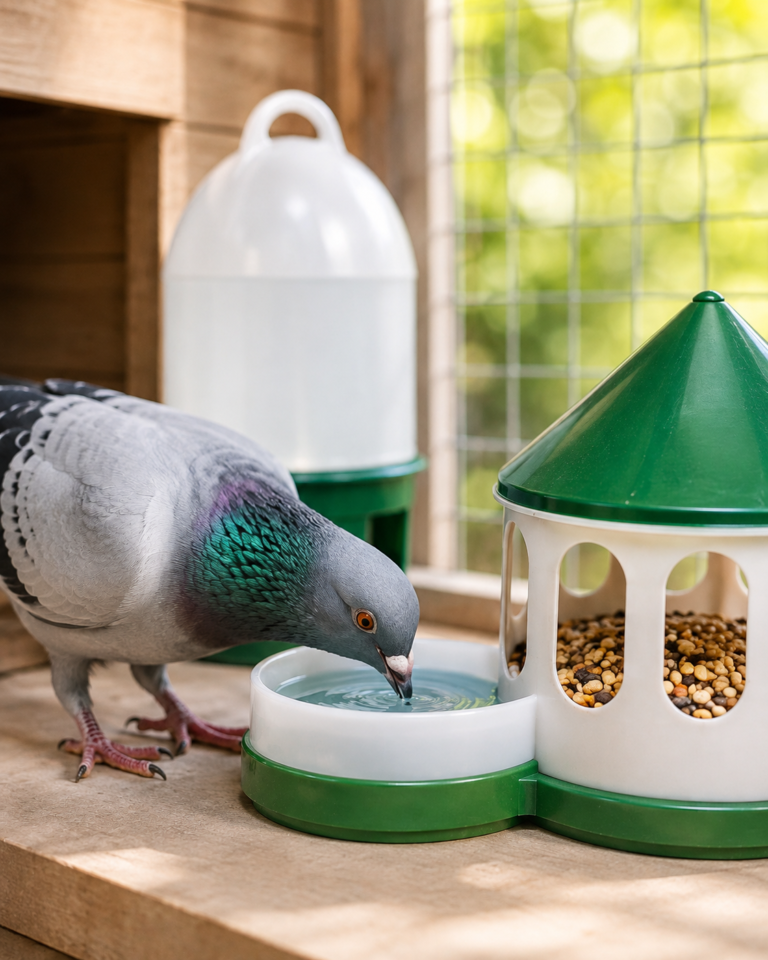
- Provide fresh drinking water at all times
- Refresh water more frequently
- Place drinkers away from direct sunlight
- Avoid overcrowding
- Add shade around outdoor lofts
- Remove wet feed and damp bedding promptly
Bathing trays can also help pigeons cool down and maintain their feathers. Remove the bath after use so the water does not become dirty or attract insects.
Preparing the Loft for Winter
Cold weather protection should focus on keeping the loft dry and free from direct drafts.
Completely sealing a loft may trap moisture and ammonia, so some ventilation is still necessary. The goal is to reduce cold air blowing directly onto the birds while allowing stale air to escape.
Before winter:
- Inspect the roof for leaks
- Repair damaged panels or wire
- Check doors and latches
- Keep nesting areas dry
- Replace damp bedding
- Raise feeders and drinkers away from wet floors
Make sure drinking water does not freeze. Check it several times per day during very cold weather.
Managing Rain and Humidity
Moisture can create more problems than temperature alone.
Rainwater entering the loft may soak feed, nesting material, and flooring. Persistent dampness may also encourage mold, odors, and insects.
Check the roof, walls, and floor after heavy rain. Water should drain away from the loft rather than collect around its base.
If the loft sits outdoors, consider raising it slightly above the ground to improve airflow and reduce contact with wet soil.
Spring Cleaning
Spring is a good time for a deeper loft inspection.
Remove old nesting material, scrape dirty surfaces, clean feeders and drinkers, and inspect accessories for cracks or sharp edges.
This is also a useful time to:
- Replace worn perches
- Wash removable trays
- Clean storage containers
- Check for insects or rodents
- Repair damaged mesh
- Organize breeding sections
Allow cleaned areas to dry completely before returning accessories or nesting materials.
Preparing for Fall
Fall is the best time to prepare for colder and wetter conditions before they arrive.
Inspect the loft roof, doors, ventilation openings, and drainage. Stock up on cleaning supplies, feed storage containers, waterers, and replacement nesting products.
Avoid waiting until the first freeze to discover that a drinker, latch, or roof section needs replacement.
Keep Feed Protected Year-Round
Seasonal temperature changes can affect feed quality.
Store pigeon feed in sealed containers in a dry, shaded location. Avoid placing bags directly on damp floors. Inspect the feed for moisture, insects, mold, or unusual odors before serving it.
Clean storage containers before adding a new supply of feed.
Final Thoughts
Seasonal loft care does not require a complete rebuild. Small adjustments—better shade in summer, draft protection in winter, improved drainage during rainy months, and deeper cleaning in spring—can make a major difference.
Inspect the loft regularly instead of waiting for a problem to appear. A dry, ventilated, secure, and organized environment helps pigeons remain comfortable throughout the year.
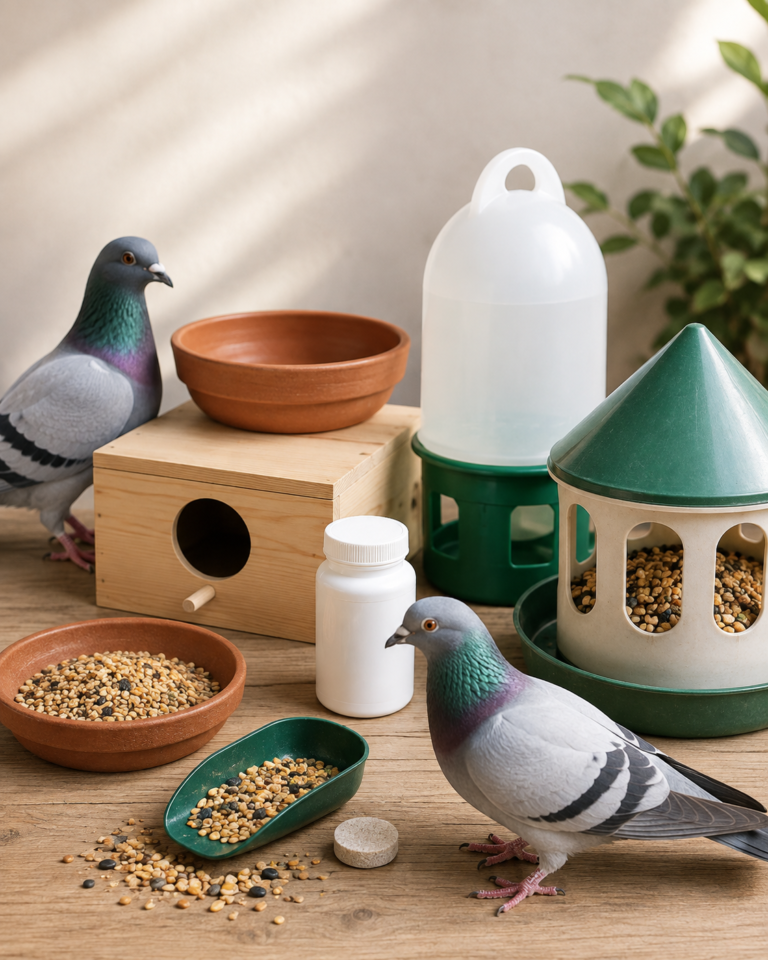
Nova Pet Supply offers pigeon cages, feeders, drinkers, nesting products, storage solutions, and loft accessories to help owners prepare for every season.